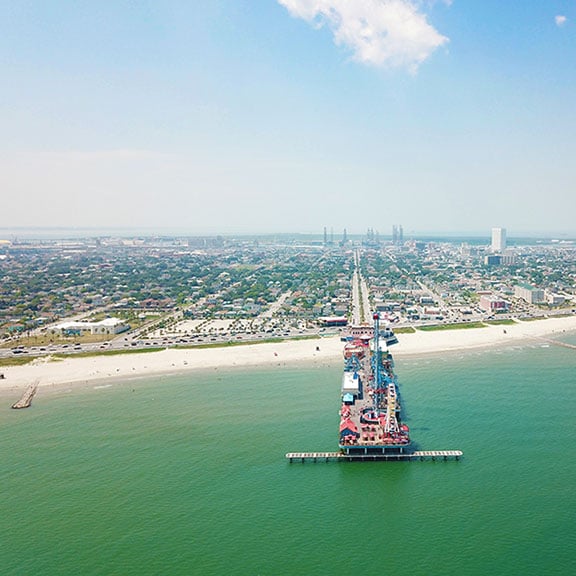
The question people ask most often when they are considering a waterfront home in League City or Clear Lake is some version of: what do you actually do here? The real answer is not a list of activities, though there are plenty. The real answer is that spring on Galveston Bay produces a quality of daily life — a rhythm of mornings on the water, evenings on the dock, and the particular richness of a place where the natural world is genuinely present and active — that is difficult to describe and immediately recognizable once you have experienced it.
What follows is the honest version of what this place offers in its best season. Consider it a guide if you are visiting. Consider it a reminder if you already live here.
What the Bay Does in Spring
Galveston Bay is a 600-square-mile estuary — a system of open water, grass flats, oyster reefs, and salt marsh that connects to the Gulf of Mexico and serves as one of the most productive coastal ecosystems on the American continent. It is active year-round, but spring is when everything happens at once.
Water temperatures in April sit in the low-to-mid 70s — the range at which the bay's food chain activates simultaneously. Baitfish school along the grass flats. Gamefish follow them. Shorebirds and wading birds work every margin. Migrating songbirds make their overnight Gulf crossings and land, exhausted and hungry, in the first available trees — which in late April often means the live oaks and yaupons along the Clear Lake shoreline.
Spring wind patterns are also at their most cooperative of the year. The afternoon sea breeze that makes summer boating a sweaty proposition has not yet fully established itself. Cold fronts are still passing but with diminishing frequency. A weekday morning in mid-April, when the bay is flat and the light is horizontal and the wildlife is in full operational mode, is as close to perfect as the Gulf Coast gets.
Six Things Worth Doing This Spring
The run from a Clear Lake or League City marina through Clear Creek and out into open Galveston Bay is one of the defining experiences of living in this corridor. Twenty to thirty minutes by powerboat and you are in 600 square miles of open estuary with Galveston Island visible to the south, the Trinity delta marshes to the east, and the Gulf visible in the distance on a clear day.
The bay in the early morning hours in April — before the boat traffic builds, when the surface is still flat and the light is angled and warm — is genuinely beautiful. Not in a "pretty view" way but in the way that large, living, wild water is beautiful when you are on it rather than looking at it from shore.
Spring is the best fishing window on Galveston Bay, and the reason is the grass flats. As water temperatures climb into the trout-feeding range, speckled trout move out of the deeper winter channels and onto the shallow flats to feed. Redfish follow their own seasonal pattern from winter holding areas into active feeding mode across the bay system. The combination produces the kind of spring fishing — active fish, readable water, accessible locations — that keeps people on the bay from April through June.
The east bay grass flats along the Trinity River delta are the corridor's best spring trout fishing. The channels off Red Bluff and the flats near Kemah produce reliable early-season results from closer range. For flounder, the channels and passes on the western bay are most productive as the spring migration brings them back into the estuary from their offshore winter.
The Texas Gulf Coast is not a good birding destination in spring. It is one of the best birding locations on the planet. The Central Flyway funnels millions of neotropical migrants northward, and the Galveston Bay shoreline is where they make landfall after their overnight Gulf crossing. A cold front pushing migrants low over the Gulf, followed by clearing skies and a north wind, produces the "fallout" events that birders travel from Europe and Asia to witness: trees dripping with exhausted warblers, tanagers, buntings, and orioles in concentrations that are difficult to believe until you see them.
For residents along the Clear Lake and League City waterfront, this is not a day trip to a birding hotspot. It is something that happens in their own gardens, on their own docks, and along the waterfront trails they walk every morning. The roseate spoonbills feeding in the shallows off the marina dock are not a special occasion — they are Tuesday.
Clear Lake and the residential canal networks of the waterfront communities offer flat-water paddling conditions that are among the best available within the Houston metro area. The early morning hours — before powerboat traffic builds — produce a particularly clean paddling experience: flat water, abundant bird activity, and a perspective on the community that is entirely different from the street view.
The backwater marshes and tidal channels adjacent to Clear Lake — particularly the areas on the lake's western shore — provide additional paddling routes with exceptional wildlife. A spring kayak through the marsh channels at low tide, with herons and egrets working every mudflat and the occasional alligator visible in the shallower areas, is the kind of experience that people describe in the present tense years after it happened.
The Clear Lake sailing community is one of the most active in Texas, with racing programs and cruising clubs that resume full activity in spring after the winter quiet. Wednesday evening race series are the heartbeat of the community — casual enough for newcomers, competitive enough for experienced racers, and social enough that the conversation continues long after the boats are docked.
For cruising sailors, spring is the preferred season for the run from Clear Lake to Galveston Island — the anchorages off the Galveston seawall and the west end are accessible, the Gulf is cooperative, and the daysail down Clear Creek and across the bay carries the particular satisfaction of a passage that is genuinely worth making for its own sake.
The best spring mornings on the waterfront do not require a departure time or a destination. Coffee on the dock while the bay wakes up. An hour at the end of the pier watching nothing in particular. A slow walk along the waterfront trail while the herons do their work in the shallows and the light comes in low off the water.
This is the part of waterfront living that is most difficult to price into a decision and most present in the memory of people who have made it. The financial logic of a waterfront premium is real and supportable. The more durable argument is the quality of the mornings — and spring, reliably and generously, delivers those mornings at their best.
Spring Boating Routes from Clear Lake
Clear Lake to Galveston Bay
The foundational local run — out through Clear Creek into the open bay, south toward Galveston Island and the causeway. 45 minutes each way at moderate speed. Perfect for a morning with coffee and no fixed agenda.
East Bay Grass Flats
East across the main bay toward the Trinity River delta — less trafficked, more wild, the best spring fishing in the system. The eastern bay in the morning light is a different place than the marina channel at noon.
Galveston Island Circle
Through the Bolivar Roads to the Gulf, west along the Galveston seawall, around the western tip of the island and back through West Bay. The full Texas coast experience in a single long day on capable vessels.
GIWW South to Matagorda
Down the Gulf Intracoastal Waterway toward Port Bolivar and beyond — anchorages at Matagorda Bay, Port O'Connor, and the series of beautiful Gulf Coast stops that reward the spring cruising season specifically.
"I tell buyers who are on the fence: come on a Tuesday morning in April when the weather cooperates. Walk out on a dock. Stand there for twenty minutes. The decision usually gets clearer."
— Lisa Marie Sanders
"The spring season is the most honest argument for waterfront living in League City and Clear Lake. Before you make a decision, spend time here on the water in April — not on a showing tour but actually on the bay. The experience of this place in its best season is something that no listing description and no market report can fully substitute for."
Frequently Asked Questions
Spring — March through May — is the best boating season on Galveston Bay. Water temperatures are moderate, Gulf winds are typically lighter than summer afternoon patterns, and the bay's natural systems are fully active. Weekday mornings in April and May offer the clearest water, calmest conditions, and most abundant wildlife activity of the entire year. The combination of manageable weather, uncrowded water, and peak natural beauty makes spring the definitive season for bay boating.
Spring is the premier fishing season on Galveston Bay. Speckled trout move aggressively onto the grass flats as water temperatures reach the feeding range. Redfish shift from winter holding patterns into active feeding mode across the bay system. Flounder return from their offshore winter and become active in the channels and passes. The east bay grass flats near the Trinity River delta are the most productive spring fishing location; the channels off Red Bluff and the Kemah-area flats are the best accessible options from within the corridor.
Clear Lake and the canal networks of League City and Clear Lake Shores offer excellent flat-water paddling, especially in the early morning hours before powerboat traffic builds. The backwater marshes and tidal channels adjacent to Clear Lake provide additional wildlife-rich paddling routes. Spring is the best season — cool mornings, flat water, and peak bird activity make early April and May paddling particularly rewarding. Clear Lake Park provides convenient public access.
The Galveston Bay area is one of the most significant spring migration locations in North America. The Texas Gulf Coast sits on the Central Flyway, and millions of neotropical migrants make landfall along this shoreline from late March through May. Following cold fronts, concentrations of warblers, tanagers, buntings, and orioles arrive in numbers that attract birders from around the world. Year-round species include roseate spoonbills, great blue herons, tricolored herons, white ibis, ospreys, and brown pelicans throughout the bay and canal systems.
Yes. The waterway route from Clear Lake runs through Clear Creek to Galveston Bay, and from Galveston Bay through the Texas City Channel or Bolivar Roads pass directly to the Gulf of Mexico. The full run takes approximately 45 minutes to an hour by powerboat depending on speed and conditions. This direct Gulf access — the ability to be in open blue water within an hour of leaving a slip in the residential corridor — is the central feature of the waterfront lifestyle in League City and Clear Lake and a primary driver of the waterfront premium in this market.
Ready to Experience This Life for Yourself?
The best introduction to waterfront living in League City and Clear Lake is time on the water in spring. I specialize in this market and would be glad to introduce you to it properly — starting with the bay, not the listings.
Schedule Your Consultation
Fair Housing Notice: Lisa Marie Sanders is committed to the principles of the Fair Housing Act. We do not discriminate on the basis of race, color, religion, sex, national origin, disability, familial status, or any other protected class. All properties are available to all qualified buyers and renters.