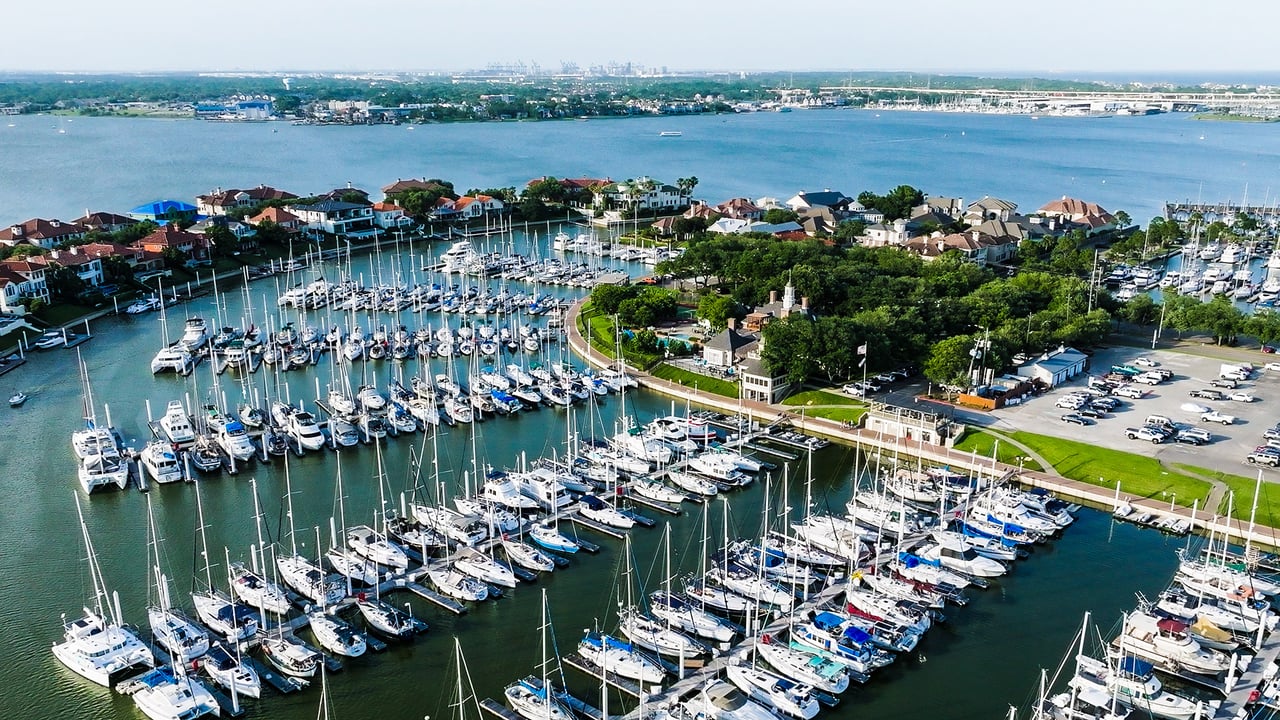
When buyers start searching for waterfront homes in Clear Lake and League City, they quickly run into a wall of terminology that listing descriptions treat as interchangeable — but absolutely is not. Boat dock. Boat lift. Deep water access. Canal front. These words carry real meaning, and getting them confused can lead a buyer to close on a property that cannot accommodate the vessel they own, the lifestyle they envisioned, or both.
I have had this conversation at the kitchen table with more buyers than I can count. Someone falls in love with a home, the listing says "private dock and boat lift," and the first thing I ask is: what size boat do you have? Because the answer to that question determines whether that dock is useful to them at all. Here is what you actually need to know before you start touring.
The Three Terms — and What They Actually Mean
A boat dock is the physical platform that extends from your shoreline and gives you somewhere to tie up. That is the simple definition. The more useful definition includes everything the listing does not tell you — the age of the structure, the condition of the pilings below the waterline, whether permits are in place, and critically, how much water sits beneath it at low tide.
Docks in the Clear Lake corridor range from basic floating platforms to fully engineered covered structures with composite decking, integrated lighting, and entertainment space over the water. A listing that says "private dock" could be describing either one. The word alone tells you almost nothing actionable.
Key questions: How old is the dock? What materials? When was it last inspected? Are all permits current and documented?
A boat lift raises your vessel out of the water when not in use. In the Gulf Coast environment — warm, brackish water that accelerates hull fouling and corrosion — keeping a boat in the water full time is genuinely hard on it. For buyers who take their vessel seriously, a lift is a baseline requirement, not an upgrade.
The detail most buyers miss: lifts are rated by weight capacity, and a lift that cannot handle your vessel is one you cannot use. Ratings range from 6,000 pounds for lighter recreational boats up to 20,000 pounds or more for larger cruisers. A listing that says "boat lift included" without specifying capacity tells you nothing useful.
Key questions: What is the rated weight capacity? How old is the mechanism? Has it been serviced? Does it operate smoothly through its full range of motion?
Deep water access is the term that matters most to serious boaters and the one most frequently misrepresented in listings. It refers to the navigable depth of the channel leading to and at your dock — enough water for your vessel to move freely without grounding risk, even at low tide. In this market, that typically means a minimum of five feet of depth maintained through the full access channel.
A property can have a beautiful dock and a quality lift and still be inaccessible to any boat drawing more than two and a half feet if the canal has silted. The only reliable verification is a current depth survey taken by a marine professional at low tide, along the entire access channel — not a neighbor's estimate or an old survey on file.
Key questions: What is the current depth at the dock at low tide? Along the full channel? When was depth last surveyed and is there documentation?
Match Your Access Type to Your Boating Plans
The clearest way through the terminology confusion is to start with the boat, not the property. Define what you need on the water first, then evaluate each property against that requirement.
Light Use
Kayaks, paddleboards, small skiffs under 20 feet. A basic dock in a maintained canal is more than adequate. Do not pay the deepwater premium for infrastructure you will not use.
Recreational Boating
Boats in the 20 to 32-foot range. A dock with a properly rated lift in a maintained canal is the target. Verify depth against your hull draft at low tide specifically.
Serious Boating
Vessels over 32 feet or Gulf access required. Verified deepwater access with a covered boathouse is non-negotiable. Do not let a beautiful home talk you into compromising on this.
Permits — The Question Nobody Thinks to Ask
First-time waterfront buyers are frequently surprised to learn that docks and boat lifts require permits, and that an unpermitted structure transfers its liability to the new owner at closing. In the Clear Lake and League City corridor, permits typically come from the Army Corps of Engineers, Harris County Flood Control, or both.
If an existing dock or lift was built without a permit — or if permits lapsed and were never renewed — you as the new owner can be required to bring it into compliance or remove it entirely, at your own cost. Confirm permit status before you go under contract. It takes one phone call. The cost of discovering an unpermitted structure after closing is substantially higher than the due diligence required to prevent it.
Why You Need a Marine Contractor
A standard home inspector is qualified to evaluate the house. They are not the right professional for the dock, the lift, or any waterfront infrastructure. The failure modes of marine structures require a specialist — pilings hollowed by borers while appearing intact on the surface, cables corroding inside a mechanism that still operates, siltation that built up gradually over years without any visible sign.
A licensed marine contractor will cover all of the following, and you should budget for this inspection as a standard part of any waterfront purchase:
- Piling integrity below the waterline — probing for marine borer activity not visible on the surface
- Decking condition across the full platform — soft spots, fastener corrosion, delamination
- Lift mechanism through its complete range of motion — cables, drums, motor, and mounting hardware
- All dock electrical connections for corrosion and code compliance
- Water depth soundings at the slip and along the full access channel at low tide
- Bulkhead condition along the property's full waterfront edge
"The dock is often what sells a buyer on a waterfront property — and the thing they forget to inspect with the same rigor as the rest of the home. The purchase price reflects the dock's value. The inspection should too."
— Lisa Marie Sanders
The Bottom Line
Waterfront listings use these terms loosely. Buyers need to use them precisely. Before you make an offer on any waterfront property in the Clear Lake and League City corridor, know what access type your boating plans actually require, ask the specific questions that reveal whether the property delivers it, and commission a marine contractor to verify what the listing describes.
"Every waterfront buyer I work with gets this conversation before we look at a single property. Getting clear on what you need from the water — before you fall in love with a home — saves time, prevents disappointment, and makes the whole process cleaner for everyone involved."
Frequently Asked Questions
A boat dock is the structure — the platform where a vessel is moored. Deep water access describes the navigable depth of the water at and leading to that dock. A property can have a dock with very shallow water beneath it, which limits what vessels can use it. Deep water access means the channel maintains sufficient depth — typically five feet or more at low tide — for larger vessels to navigate freely to and from open water.
Yes. Docks and boat lifts in the Clear Lake and League City area typically require permits from the Army Corps of Engineers, Harris County Flood Control District, or both. An unpermitted structure transfers its liability to the buyer at closing. Always verify permit status before going under contract — the cost of discovering an unpermitted dock after closing is far greater than the due diligence required to check beforehand.
Boat lifts are rated by weight capacity in pounds. To verify compatibility, you need your vessel's dry weight plus a safety margin — typically 10 to 20 percent above rated capacity is recommended. Get the lift's capacity rating in writing during due diligence, and have the mechanism inspected by a marine contractor to confirm it is functioning correctly and has been properly maintained.
The only reliable method is a current depth survey conducted by a marine professional — soundings taken at low tide at the dock slip and along the full access channel. Depth measurements from old surveys, neighbor accounts, or listing descriptions are not adequate for a purchase decision. Siltation can significantly change channel depth over time, and current conditions are what matter.
For buyers who intend to operate vessels larger than approximately 28 feet, or who want unrestricted access to Galveston Bay and the Gulf, deep water access is a functional requirement — not a luxury. The premium is real and consistent in this market. For buyers with lighter boating needs, canal-front access at a lower price point may deliver everything they need without paying for infrastructure they will not fully use.
Let's Find the Right Waterfront Access for You
Understanding what you need on the water is the first step. I specialize in matching buyers to the right property in the Clear Lake and League City corridor — with the due diligence knowledge to make sure what you are buying is exactly what it appears to be.
Schedule Your Consultation
Fair Housing Notice: Lisa Marie Sanders is committed to the principles of the Fair Housing Act. We do not discriminate on the basis of race, color, religion, sex, national origin, disability, familial status, or any other protected class. All properties are available to all qualified buyers and renters.